
How Do Laser Light Therapy Devices Support Modern Pain Relief?
Pain can affect mobility, productivity, sleep, exercise, and overall quality of life. As people look for non-invasive approaches to support pain management, laser light therapy devices have become an increasingly discussed option. These devices use specific wavelengths of light to deliver energy to targeted areas of the body, with the goal of supporting cellular activity and the body’s natural recovery processes.
Healix Lasers Professional provides advanced laser therapy solutions designed for professional applications, offering practitioners a modern technology that can complement broader pain-management strategies.
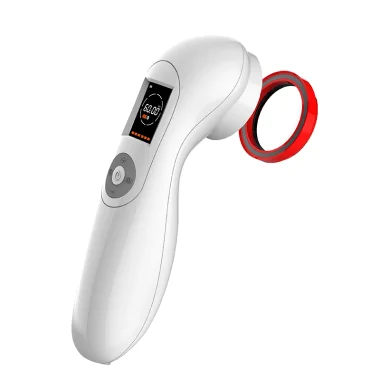
Understanding Laser Light Therapy Devices
Laser light therapy devices are designed to deliver controlled light energy to selected areas of the body. Depending on the device and treatment protocol, different wavelengths and energy levels may be used for different applications.
Unlike surgical procedures, therapeutic laser treatments are generally non-invasive. The device is applied externally, allowing practitioners to target areas associated with discomfort without making an incision or directly damaging tissue.
The growing interest in this technology is partly connected to the demand for drug-free and non-invasive options that can be incorporated into professional wellness, rehabilitation, and pain-management programs.
How Light Therapy May Support the Body
The underlying concept of therapeutic laser technology is photobiomodulation. In simple terms, light energy is delivered to tissue and may interact with cellular processes.
Research into photobiomodulation has explored its potential effects on cellular energy production, circulation, inflammation-related processes, and tissue recovery. These effects may make laser therapy a useful complementary approach for practitioners working with patients experiencing various types of musculoskeletal discomfort.
It is important to understand that results can vary depending on the individual, the condition being addressed, the device specifications, and the treatment protocol. Laser therapy should therefore be considered as part of an appropriate professional care plan rather than a universal solution for every type of pain.
Potential Applications for Pain Management
One reason laser light therapy devices have attracted attention is their versatility. Professionals may incorporate therapeutic laser technology into programs addressing different areas of discomfort.
For example, laser therapy may be considered as a complementary approach for muscle soreness, joint discomfort, sports-related recovery, and certain musculoskeletal conditions. Practitioners can determine whether the technology is appropriate based on an individual’s needs and treatment goals.
For people dealing with recurring discomfort, a non-invasive approach may also be appealing because it can potentially complement other strategies such as physical therapy, exercise, stretching, rehabilitation, or lifestyle modifications.
The goal is not simply to mask discomfort but to support the body’s natural processes while addressing the individual’s broader recovery needs.
Advantages of Professional Laser Therapy Technology
Modern laser systems can provide practitioners with greater control over treatment parameters. Depending on the specific device, features may include adjustable settings, targeted applicators, treatment protocols, and ergonomic designs.
Professional equipment can be particularly valuable in clinical environments where practitioners need technology that fits into established treatment workflows.
Healix Lasers Professional focuses on laser therapy solutions intended to support professionals seeking advanced therapeutic technology. Selecting an appropriate device should involve consideration of factors such as wavelength, power, treatment modes, usability, training requirements, and the intended clinical application.
Why Proper Treatment Protocol Matters
Having access to advanced equipment is only one part of effective laser therapy. Proper application is equally important.
Treatment parameters should be selected according to the individual’s condition, treatment area, clinical objectives, and the manufacturer’s recommendations. Practitioners should also understand appropriate safety precautions and contraindications before using therapeutic laser equipment.
Patients should avoid assuming that a higher setting or longer treatment automatically produces better results. Professional assessment and carefully selected protocols can help ensure that the technology is used appropriately.
Anyone considering laser therapy for persistent or unexplained pain should discuss their symptoms with a qualified healthcare professional. Pain can have many underlying causes, and identifying the cause is an important part of choosing an appropriate treatment strategy.
Choosing the Right Laser Light Therapy Device
The best device depends on how and where it will be used. Clinics should evaluate equipment based on their patient population, treatment objectives, portability requirements, operating controls, and available support.
It is also worthwhile to consider the manufacturer’s reputation, educational resources, warranty coverage, and technical assistance. A device should not be selected solely because of its power or price.
For professionals exploring advanced therapeutic technology, Healix Lasers Professional offers laser solutions intended to support modern treatment environments. A thoughtful purchasing decision can help practitioners integrate laser therapy into their existing services more effectively.
Supporting a Modern Approach to Pain Care
Laser light therapy devices represent one part of the broader movement toward non-invasive technologies in rehabilitation and pain management. Their appeal comes from the ability to deliver targeted light energy without surgery and potentially complement established therapeutic approaches.
As research continues to examine photobiomodulation and its applications, practitioners can evaluate where laser therapy fits within individualized care plans. Combining appropriate technology with professional assessment, patient education, rehabilitation, and healthy lifestyle practices can create a more comprehensive approach to managing discomfort.
Conclusion
Modern pain management increasingly involves looking beyond a single treatment method. Laser light therapy devices offer professionals a non-invasive technology that may support cellular activity, recovery, and pain-management programs when used appropriately. With suitable equipment, professional guidance, and carefully selected treatment protocols, laser therapy can serve as a valuable complementary option for many clinical settings. Healix Lasers Professional continues to provide advanced laser therapy solutions for professionals interested in incorporating modern therapeutic technology into their practices. As with any therapeutic approach, individual results can differ, and persistent pain should be evaluated by an appropriate healthcare professional before beginning treatment.