
Sciatica Treatment Dubai: Comprehensive Spine Care
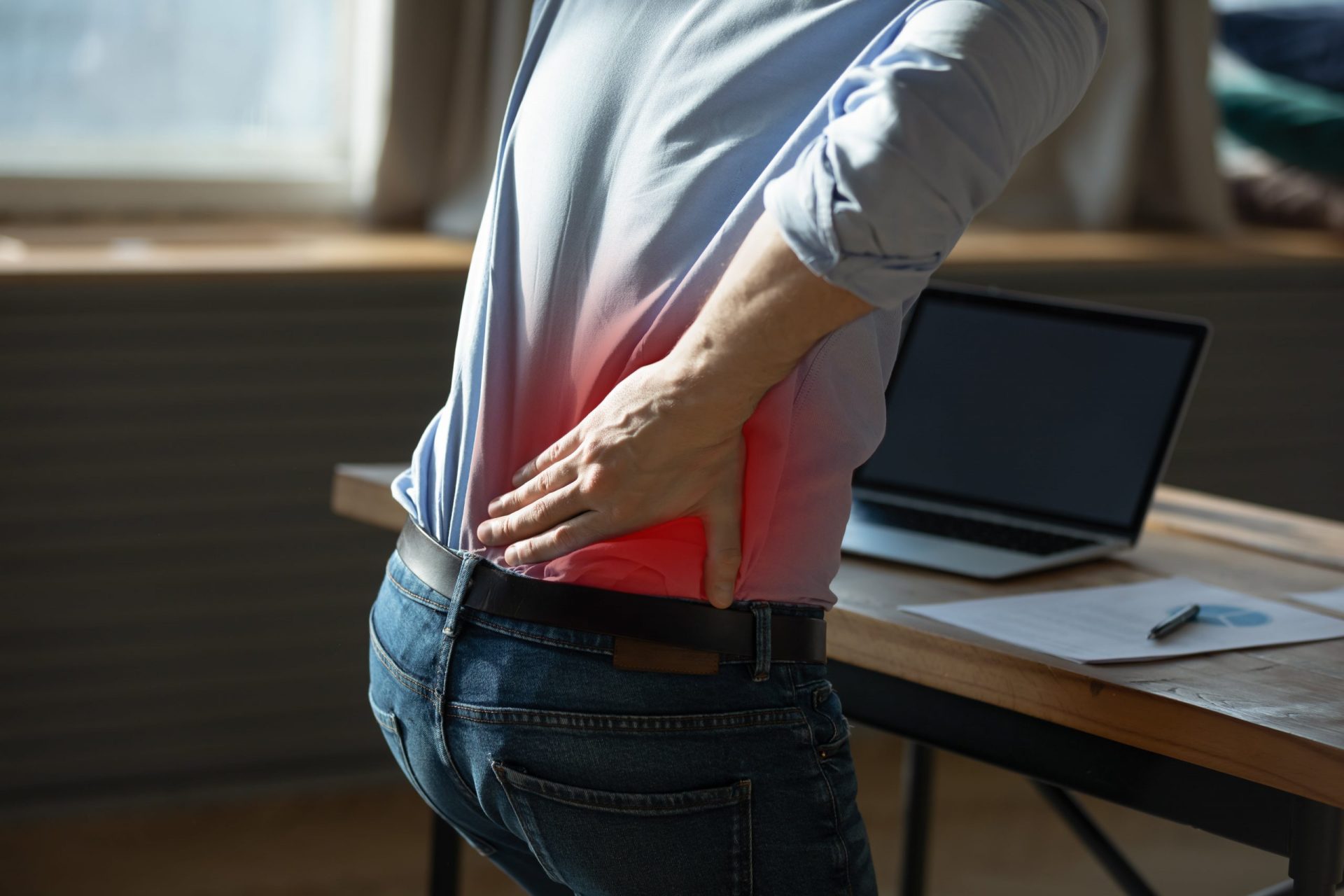 Sciatica can affect much more than the lower back. Pain, tingling, numbness, or weakness may travel from the lower back or buttocks into the leg and sometimes toward the foot. Because these symptoms can interfere with walking, sitting, working, exercising, and sleeping, a structured rehabilitation plan can be an important part of restoring comfortable movement.
Sciatica generally occurs when the sciatic nerve or one of its nerve roots becomes irritated or compressed. Common causes include a herniated disc, narrowing around the spinal nerves, age-related spinal changes, or certain injuries.
A personalized Sciatica Treatment Dubai approach can focus on understanding the individual’s symptoms, identifying movement limitations, improving physical function, and gradually returning to everyday activities. At Vitruvian Italian Physiotherapy Center, physiotherapy can be tailored according to the patient’s condition, lifestyle, mobility, and recovery goals.
Understanding Sciatica and Its Symptoms
Sciatica is generally used to describe symptoms associated with irritation or compression involving the sciatic nerve. The sciatic nerve travels from the lower back through the buttocks and into the leg.
Symptoms can include:
- Sharp or burning pain
- Pain extending into the buttock or leg
- Tingling or pins and needles
- Numbness
- Muscle weakness
- Difficulty sitting or standing comfortably
- Increased symptoms with certain movements
Sciatica commonly affects one side of the body, although symptoms can vary depending on the underlying cause.
Understanding the pattern of symptoms is an important part of Sciatica Treatment Dubai because the rehabilitation strategy should reflect the individual’s presentation rather than treating every case in exactly the same way.
Why a Comprehensive Approach Matters
Sciatica is not a single condition with one universal treatment. The underlying cause, symptom intensity, duration, physical activity level, and functional limitations can differ significantly between patients.
One person may experience symptoms after prolonged sitting, while another may develop them after lifting or physical activity. Some individuals may primarily experience leg pain, while others may also have lower-back discomfort, weakness, or altered sensation.
A comprehensive physiotherapy approach considers these differences when developing a rehabilitation plan.
At Vitruvian Italian Physiotherapy Center, this can involve assessing movement, strength, flexibility, posture, functional ability, and the activities that influence symptoms.
The Importance of an Initial Assessment
A detailed assessment provides the foundation for an individualized rehabilitation program.
A physiotherapist may evaluate:
- Spinal and lower-limb movement
- Muscle strength
- Flexibility
- Walking pattern
- Balance and coordination
- Functional limitations
- Sitting and standing tolerance
- Activities that aggravate symptoms
- Previous injuries or episodes of back pain
The assessment can help determine which movements are appropriate and which activities may need temporary modification.
Professional physiotherapy guidance emphasizes individualized assessment and treatment planning for lumbar radiculopathy and sciatica, with the program adapted to the patient’s symptoms and functional goals.
How Physiotherapy Can Support Sciatica Recovery
Physiotherapy may play an important role in helping people with sciatica improve movement and return to normal activities. Treatment can involve therapeutic exercise, movement education, manual techniques, flexibility work, strengthening, and functional rehabilitation.
The NHS lists physiotherapy, exercises, stretches, and activity guidance among treatment approaches that may be used for sciatica.
A Sciatica Treatment Dubai program can therefore be structured around both symptom management and functional recovery.
At Vitruvian Italian Physiotherapy Center, treatment can be adapted as the patient’s physical abilities and symptoms change.
Managing Symptoms Through Appropriate Movement
When sciatica is painful, people may naturally reduce their activity considerably. However, prolonged inactivity can contribute to stiffness and loss of physical conditioning.
For many people, maintaining appropriate movement is part of recovery. NHS guidance recommends remaining as active as possible and avoiding prolonged sitting or lying down when managing sciatica.
This does not mean forcing painful movements. Instead, activity can be modified according to symptoms and gradually increased as tolerance improves.
A physiotherapist can help identify appropriate movements and develop a practical activity plan.
Restoring Spinal and Hip Mobility
Restricted mobility in the lower back, hips, or surrounding areas can influence how a person moves.
Depending on the individual’s presentation, physiotherapy may include carefully selected mobility exercises. These exercises can help maintain or improve movement while avoiding unnecessary aggravation.
Mobility work may focus on:
- Lower-back movement
- Hip mobility
- Pelvic movement
- Lower-limb flexibility
- Functional movement patterns
The exact exercises should be individualized because movements that help one person may not be appropriate for another.
Strengthening the Core and Supporting Muscles
Strengthening can become an important component of rehabilitation as symptoms become more manageable.
The muscles around the abdomen, back, hips, and pelvis contribute to movement and physical stability. A physiotherapist may introduce exercises designed to improve strength and coordination in these areas.
Strengthening may progress from basic controlled movements toward more challenging functional exercises.
Physical therapy guidance for lumbar radiculopathy commonly includes strengthening of the core, back, hips, abdomen, and pelvis when appropriate.
This progressive strengthening approach can form an important part of Sciatica Treatment Dubai.
Improving Flexibility and Movement Control
Tight or restricted muscles can influence movement patterns and may contribute to difficulty performing certain activities.
A physiotherapist can assess flexibility and determine whether specific stretching or mobility exercises are appropriate.
However, stretching should not automatically be considered suitable for every person with sciatica. The type, intensity, and direction of movement should be based on the individual’s symptoms and assessment findings.
At Vitruvian Italian Physiotherapy Center, flexibility work can be integrated with strengthening and functional rehabilitation when appropriate.
Addressing Posture and Movement Habits
Sitting, standing, driving, lifting, and working positions can influence how the lower back and legs feel during daily activities.
A physiotherapist may assess movement habits and provide practical guidance for modifying activities that aggravate symptoms.
This may include advice regarding:
- Sitting positions
- Workstation habits
- Lifting techniques
- Driving posture
- Frequency of movement breaks
- Gradual activity progression
The objective is not to maintain one rigid posture throughout the day. Instead, patients can learn to vary positions and move regularly according to their individual needs.
Sciatica and the Importance of Staying Active
Regular movement can be an important part of rehabilitation. Long periods of bed rest are generally not recommended for uncomplicated sciatica, and gradual activity can support recovery and physical conditioning.
Activities may initially include gentle walking or other tolerable forms of movement. As symptoms improve, rehabilitation can gradually incorporate strengthening and more demanding activities.
This staged approach can help patients regain confidence without attempting to return to their previous activity level too quickly.
Managing Sciatica for Office Workers
Long periods of sitting can be particularly challenging for people experiencing sciatica.
Office workers may notice increased symptoms while sitting at a desk, commuting, or working for extended periods without changing position.
A physiotherapy program can address:
- Sitting tolerance
- Movement breaks
- Hip and spinal mobility
- Core strength
- Work-related movement patterns
- Gradual return to normal activity
At Vitruvian Italian Physiotherapy Center, rehabilitation can be connected to the patient’s actual work requirements, helping make treatment more practical for everyday life.
Sciatica Rehabilitation for Active Individuals
Active people may want to return to exercise, running, gym training, cycling, swimming, or recreational sports.
Returning to these activities should be progressive. A patient may first need to regain comfortable walking and basic strength before progressing toward higher levels of physical demand.
Rehabilitation can gradually address:
- Strength
- Flexibility
- Balance
- Endurance
- Movement control
- Functional capacity
For active patients, Sciatica Treatment Dubai can therefore focus on more than symptom reduction by working toward the physical abilities required for their preferred activities.
The Role of Therapeutic Exercise
Exercise is an important component of many physiotherapy programs for sciatica.
Depending on the individual’s condition, exercises may target:
- Spinal mobility
- Hip mobility
- Core strength
- Lower-limb strength
- Flexibility
- Balance
- Endurance
- Functional movement
There is no single exercise routine suitable for every person with sciatica. Professional guidance can help determine which exercises are appropriate and how they should progress. NHS exercise guidance similarly notes that general exercises are not designed for every specific cause of pain and that professional advice may be appropriate for people with symptoms or injuries.
Manual Therapy and Hands-On Care
Depending on the patient’s assessment, physiotherapy may also include hands-on techniques.
Manual therapy can sometimes be used alongside exercise and movement education rather than as the only component of rehabilitation. The choice of technique depends on the individual’s presentation and treatment goals.
A comprehensive program can combine hands-on care with active rehabilitation so that patients also develop the strength and movement capacity needed outside the treatment environment.
Building Functional Strength
As symptoms improve, rehabilitation can progress toward functional strength.
Functional exercises replicate movements that people need in everyday life. These may include:
- Squatting
- Step movements
- Lifting
- Carrying
- Bending
- Walking
- Controlled reaching
- Transitional movements
The objective is to connect improvements achieved through individual exercises with real-life activities.
This can make Sciatica Treatment Dubai more meaningful for patients who want to return to their normal routines.
Understanding Sciatica Treatment Cost in Dubai
The Sciatica Treatment cost in Dubai can vary depending on the patient’s individual treatment requirements.
Factors that may influence the Sciatica Treatment cost in Dubai include:
- The severity and duration of symptoms
- The underlying cause
- The complexity of the rehabilitation program
- The number of physiotherapy sessions required
- The duration of each session
- The treatment techniques used
- The patient’s response to rehabilitation
- Whether additional medical evaluation is required
A person experiencing a recent and uncomplicated episode may require a different treatment plan from someone dealing with persistent symptoms or significant functional limitations.
For this reason, the Sciatica Treatment cost in Dubai should be considered in relation to the individual’s rehabilitation needs rather than as one fixed amount.
How Rehabilitation Progresses Over Time
Recovery can develop through several stages, although the exact pathway differs from patient to patient.
An individualized program may progress through:
- Assessment and education – Understanding symptoms and identifying appropriate activities.
- Movement restoration – Introducing suitable mobility exercises.
- Symptom management – Modifying activities and developing tolerable movement patterns.
- Strength development – Building core, hip, and lower-limb strength.
- Functional rehabilitation – Connecting exercises with everyday activities.
- Activity progression – Gradually increasing physical demands.
- Long-term movement strategies – Supporting continued physical activity and functional capacity.
At Vitruvian Italian Physiotherapy Center, treatment can be adjusted throughout these stages according to the patient’s response.
Returning to Everyday Activities
The goal of rehabilitation is often to help patients return to the activities that matter to them.
These may include:
- Walking comfortably
- Working at a desk
- Driving
- Climbing stairs
- Exercising
- Lifting objects
- Performing household tasks
- Returning to recreational activities
The timeline varies considerably depending on the cause and severity of symptoms.
Many cases of sciatica improve over several weeks to months, although symptoms can persist longer in some individuals.
A gradual return to activity can help rebuild confidence and physical capacity.
Recognizing When Medical Evaluation Is Important
Although many cases of sciatica improve with conservative care, certain symptoms require urgent medical assessment.
Urgent attention is particularly important if someone develops numbness around the genitals or anus, difficulty controlling or passing urine or stool, severe or worsening weakness or numbness in both legs, or significant symptoms affecting both sides. These can indicate a serious spinal problem requiring immediate assessment.
Persistent, worsening, or activity-limiting symptoms should also be professionally assessed rather than managed indefinitely without evaluation.
The Role of Patient Education
Understanding sciatica can help patients participate more confidently in rehabilitation.
Education may cover:
- Understanding symptoms
- Appropriate activity levels
- Movement strategies
- Exercise technique
- Work and sitting habits
- Lifting techniques
- Gradual return to activity
- Long-term physical conditioning
Patient education can help people understand why particular exercises have been selected and how rehabilitation connects with their everyday goals.
Personalized Spine Care at Vitruvian Italian Physiotherapy Center
Vitruvian Italian Physiotherapy Center can provide a personalized rehabilitation environment for people dealing with sciatica and related movement limitations.
The approach can combine assessment, therapeutic exercise, mobility work, strengthening, functional rehabilitation, movement education, and ongoing progress evaluation.
Rather than treating every patient with an identical routine, rehabilitation can be adapted to the individual’s symptoms, physical abilities, work requirements, lifestyle, and activity goals.
This personalized philosophy can make Sciatica Treatment Dubai more focused on the patient’s overall physical function.
Supporting Long-Term Spine Health
Once symptoms improve, maintaining an active lifestyle can help support general physical conditioning.
Long-term strategies may include:
- Regular physical activity
- Appropriate strengthening
- Mobility exercises
- Good lifting techniques
- Taking movement breaks during prolonged sitting
- Maintaining appropriate fitness
- Continuing exercises recommended by a physiotherapist
The goal is to make healthy movement part of everyday life rather than treating rehabilitation as something that ends immediately when symptoms improve.
A Practical Approach to Sciatica Recovery
A comprehensive rehabilitation plan brings together several elements rather than relying on one treatment method.
The process can include:
- Individual assessment
- Education about symptoms
- Appropriate movement
- Mobility exercises
- Strength training
- Functional rehabilitation
- Activity modification
- Progressive return to normal activities
- Ongoing reassessment
This approach allows treatment to evolve as the patient becomes stronger and more comfortable with movement.
For people considering Sciatica Treatment Dubai, a personalized rehabilitation program can provide a structured pathway from symptom management toward improved mobility and everyday function.
Conclusion
Sciatica can affect the lower back, buttocks, leg, and everyday movement, but a structured rehabilitation program can help many people work toward improved physical function. Treatment may involve exercise, mobility work, strengthening, movement education, manual techniques, and progressive return to activity.
Vitruvian Italian Physiotherapy Center focuses on individualized physiotherapy that can be adapted to the patient’s symptoms, physical abilities, lifestyle, and recovery goals. From the initial assessment through functional rehabilitation, each stage can be adjusted according to progress.
For individuals exploring Sciatica Treatment Dubai, comprehensive spine care means looking beyond the immediate symptoms and considering mobility, strength, movement habits, and long-term physical function. The Sciatica Treatment cost in Dubai can vary according to the complexity and duration of the required rehabilitation, so understanding the individual treatment plan is an important part of planning care.