
Children Vaccination Belconnen: Why Childhood Immunisation Is Important
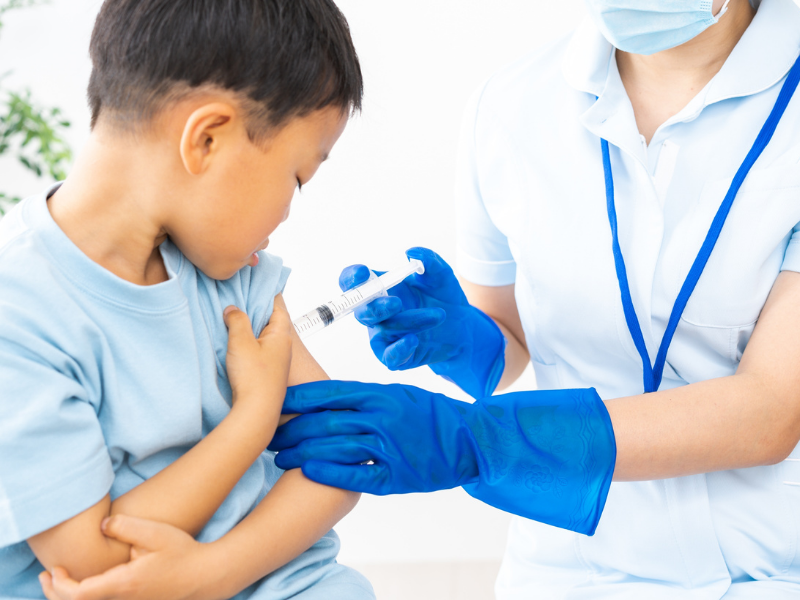
Vaccination plays an important role in protecting children from several infectious diseases. During childhood, the immune system develops and learns how to respond to different infections. Vaccines help prepare the body to recognise specific diseases and build protection before exposure occurs. Following the recommended vaccination schedule can help protect children and reduce the spread of vaccine-preventable illnesses within the wider community.
For parents looking for children vaccination Belconnen services, understanding how childhood immunisation works, when vaccines are usually given and how to prepare for an appointment can make the process easier.
What Is Childhood Immunisation?
Childhood immunisation involves giving vaccines to children at recommended stages of their development. Vaccines stimulate the immune system to develop protection against particular infections without causing the disease itself.
Health authorities develop vaccination schedules based on factors such as a child’s age, the diseases that vaccines protect against and the level of protection needed at different stages of childhood. Parents should follow the current Australian immunisation schedule and speak with a qualified healthcare professional about their child’s individual vaccination needs.
Why Are Childhood Vaccinations Important?
Vaccination provides several important benefits for children and communities.
Helps Protect Children From Serious Infections
Some infectious diseases can cause serious complications, particularly in young children. Vaccines help the immune system prepare to respond to certain infections and reduce the risk of vaccine-preventable diseases.
Supports Community Protection
When a high proportion of people receive recommended vaccinations, diseases have fewer opportunities to spread. This can provide an additional layer of protection for people who cannot receive certain vaccines or who may have a weaker immune response.
Builds Protection at the Right Time
Children receive different vaccines at different ages because protection needs can change as they grow. Following the recommended schedule helps children receive vaccines at the appropriate stages.
Which Vaccines Do Children Receive?
The Australian National Immunisation Program provides vaccines against a range of diseases. Depending on age and individual circumstances, childhood vaccination can include protection against diseases such as measles, mumps, rubella, whooping cough, polio, hepatitis B, meningococcal disease and other infections.
The exact vaccines and timing can vary. Some children may also need additional vaccines because of medical conditions, travel plans, catch-up requirements or other circumstances.
Parents should check their child’s immunisation records and discuss the recommended schedule with their healthcare provider.
Understanding the Childhood Immunisation Schedule
Keeping track of vaccination appointments can sometimes feel confusing, especially during the early years when children may have several healthcare visits.
Parents can make the process easier by keeping an updated immunisation record and checking which vaccinations their child has already received. If a vaccination has been missed, do not assume that the schedule cannot be continued. A healthcare professional can review the child’s records and advise whether catch-up vaccination is appropriate.
The Australian Immunisation Register also helps keep track of vaccination information. Parents can discuss their child’s records with their healthcare provider if they are unsure whether a vaccine is due.
What Happens During a Vaccination Appointment?
At a vaccination appointment, a healthcare professional will usually review the child’s vaccination history and confirm which vaccine is recommended. They may also ask about the child’s health, allergies, previous reactions and current medications.
The vaccine is generally given as an injection, although the method can vary depending on the vaccine. Children may experience mild reactions such as soreness, redness or swelling around the injection area. Some children may also feel tired or develop a mild fever for a short period.
Parents should follow the advice provided by their healthcare professional and seek medical advice if they have concerns about a reaction.
How Can Parents Prepare Their Child?
A calm and positive approach can make vaccination visits easier for children. Parents can explain the appointment using simple and age-appropriate language rather than creating unnecessary fear.
For younger children, bringing a favourite toy, book or comfort item may help them feel more relaxed. Parents can also stay calm and provide reassurance before and after the vaccination.
It is also useful to bring the child’s vaccination records or ensure that the healthcare provider can access the relevant information.

Choosing an Immunisation Clinic in Belconnen
When searching for an Immunisation Clinic Belconnen, parents should consider whether the healthcare provider offers appropriate childhood vaccination services and can answer questions about the recommended immunisation schedule.
A good appointment should give parents an opportunity to discuss their child’s vaccination history, ask questions and understand what to expect after vaccination. If a child has missed previous vaccinations, parents can also ask about catch-up options.
Frequently Asked Questions
1. When should children receive their vaccinations?
Children receive vaccines at different ages according to the Australian immunisation schedule. The recommended timing helps provide protection during important stages of childhood. Parents should check the current schedule with their healthcare provider.
2. What if my child has missed a vaccination?
A missed vaccination does not necessarily mean that your child cannot continue with their immunisation schedule. Speak with a healthcare professional who can review the child’s records and advise on appropriate catch-up vaccinations.
3. Are mild reactions after vaccination normal?
Some children may experience mild effects such as soreness, redness or swelling where the vaccine was given. A mild fever or tiredness can also occur. If you are concerned about your child’s symptoms, contact a healthcare professional for advice.
4. How can I find my child’s vaccination history?
Parents can check their child’s immunisation information through the Australian Immunisation Register and discuss the records with their healthcare provider. Keeping vaccination records updated can make future appointments easier.
5. Where can parents ask questions about childhood vaccination?
Parents can speak with their GP or qualified healthcare professional about their child’s vaccination schedule, previous reactions, missed doses and any other concerns before vaccination.
Conclusion
Childhood immunisation helps children build protection against a range of vaccine-preventable diseases and also supports community health. Parents can make informed decisions by keeping vaccination records updated, following the recommended schedule and discussing any concerns with a qualified healthcare professional. If you are looking for children vaccination Belconnen services, Belconnen General Practice can provide general healthcare support and guidance for families in the local community.