How Can Sewage Tankers Improve Wastewater Transportation and Management?
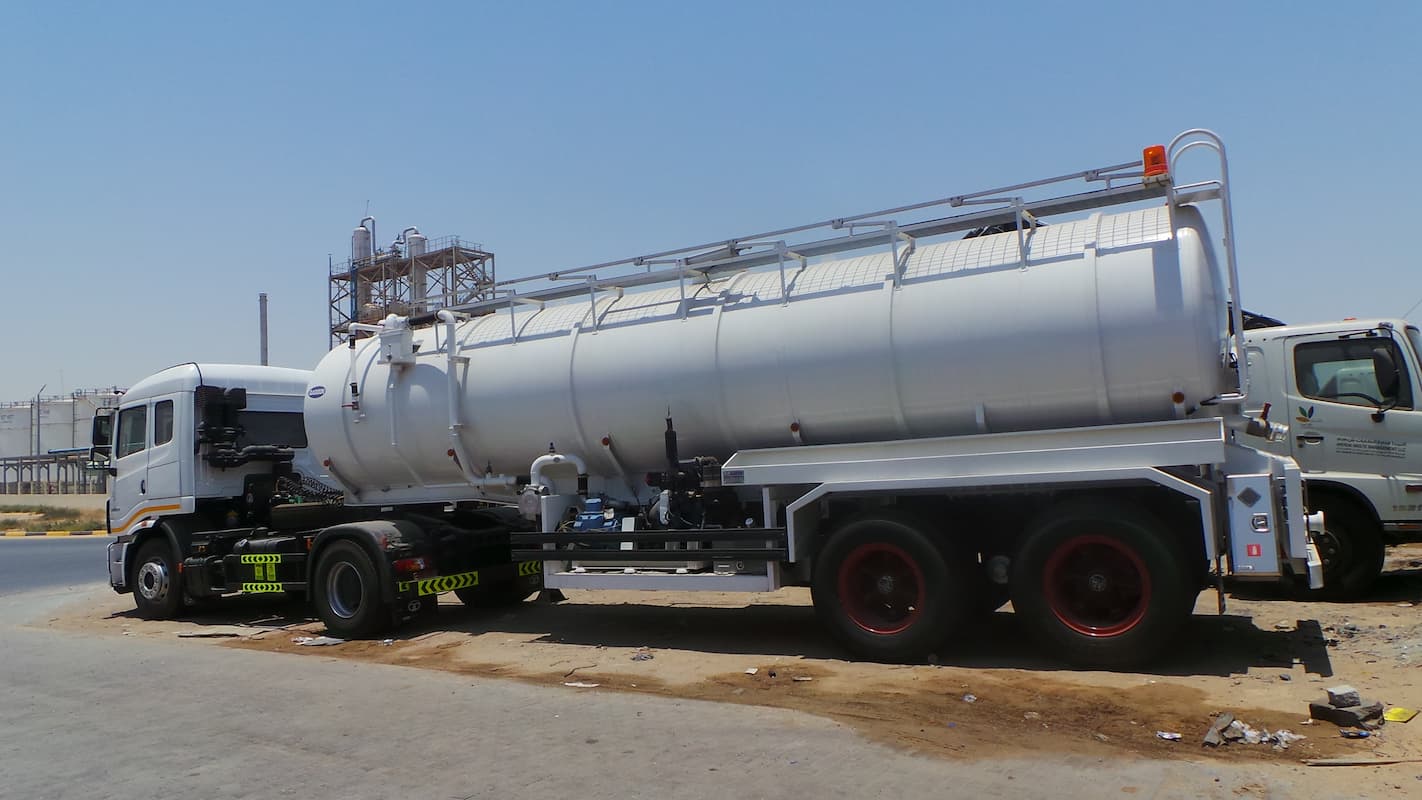
Efficient wastewater transportation is an essential part of maintaining hygiene, protecting the environment, and supporting municipal and industrial sanitation systems. A Sewage Tanker Manufacturer develops specialized vehicles designed to collect, transport, and discharge sewage safely while handling demanding operating conditions. These tankers are commonly used by municipalities, sanitation contractors, wastewater treatment facilities, construction sites, commercial establishments, and industrial operations where reliable waste collection is required.
What Is a Sewage Tanker?
A sewage tanker is a specialized vehicle equipped with a sealed tank and associated pumping equipment for collecting and transporting liquid waste. Unlike ordinary transportation vehicles, these units are designed to prevent leakage, minimize exposure to harmful materials, and support controlled waste disposal.
The tank normally includes a corrosion-resistant interior, reinforced construction, access openings, valves, pipelines, and other components required for safe operation. Depending on the application, the vehicle may also include vacuum pumps or other suction systems for removing wastewater from underground tanks, septic systems, drainage areas, and collection points.
Why Are Sewage Tankers Important?
Wastewater cannot always be transported through permanent underground sewer networks. Remote properties, construction locations, temporary facilities, industrial areas, and places experiencing drainage problems may require mobile collection systems.
Sewage tankers provide a practical solution by allowing waste to be collected directly from its source and transported to an authorized treatment or disposal facility.
Their major benefits include:
- Safe transportation of liquid waste
- Reduced risk of sewage leakage
- Faster collection from difficult locations
- Support for septic tank cleaning
- Improved sanitation management
- Flexible operation across different sites
- Better control over wastewater disposal
These advantages make specialized tankers an important part of modern sanitation infrastructure.
How Does a Sewage Tanker Work?
The operation generally begins by positioning the tanker near the wastewater collection point. A suction hose is connected to the septic tank, sewage pit, or other source. The pumping system then creates the required suction to transfer wastewater into the vehicle’s storage tank.
Once the tank reaches its safe operating capacity, the vehicle travels to an approved treatment or disposal facility. The collected material is discharged through the designated outlet system.
Several safety features can support this process, including pressure controls, shut-off valves, overflow protection, tank indicators, and secure hose connections.
What Features Should a Good Sewage Tanker Have?
The design of a sewage tanker depends on its intended use, but several features are particularly important.
Strong Tank Construction
The storage tank must withstand vibration, road movement, pressure variations, and repeated loading and unloading. Strong materials and appropriate reinforcement help extend operational life.
Corrosion Resistance
Sewage contains chemicals and contaminants that can accelerate corrosion. Selecting suitable materials, coatings, and protective systems can help reduce deterioration.
Efficient Pumping System
A reliable pump is essential for fast and consistent waste collection. Pump capacity should match the required suction distance, material characteristics, and operating environment.
Secure Valves and Connections
Leaks can create serious environmental and safety problems. High-quality valves, couplings, hoses, and seals help maintain a secure transfer system.
Easy Maintenance
Access points should allow operators and maintenance teams to inspect internal components, pumps, valves, and pipelines without unnecessary difficulty.
Where Are Sewage Tankers Commonly Used?
These vehicles have applications across residential, commercial, municipal, and industrial environments.
Residential Areas
Homes that rely on septic tanks may require periodic emptying. Tankers can remove accumulated waste and transport it to suitable treatment facilities.
Construction Sites
Temporary construction facilities may not have permanent sewer connections. Mobile sewage collection equipment helps maintain sanitation throughout the project.
Commercial Buildings
Hotels, restaurants, offices, shopping centers, and other commercial properties may require regular wastewater management, particularly where sewer infrastructure is limited.
Municipal Services
Local authorities can use specialized tankers for emergency sewage removal, septic maintenance, drainage operations, and areas affected by infrastructure failures.
Industrial Facilities
Certain manufacturing and processing facilities generate liquid waste that requires controlled collection and transportation. Proper tanker selection can support safer handling procedures.
How Does Tank Capacity Affect Performance?
Tank capacity should be selected according to the volume of wastewater generated and the distance between collection locations and disposal facilities.
A smaller tanker may be suitable for restricted-access areas or locations with lower waste volumes. Larger units can reduce the number of trips required when dealing with high-volume operations.
However, increasing capacity also increases vehicle weight. Therefore, the tank size must be balanced with the vehicle’s chassis capacity, road regulations, maneuverability, and operating requirements.
What Materials Are Used in Sewage Tank Construction?
Material selection plays an important role in durability and maintenance.
Common options may include different grades of steel and other engineered materials selected according to the intended application. The choice depends on factors such as corrosion exposure, operating environment, required strength, weight limitations, and expected service life.
Protective coatings may also be applied to improve resistance against aggressive wastewater environments.
What Safety Measures Are Important?
Sewage transportation involves biological and chemical hazards, making safety essential.
Operators should follow appropriate procedures when connecting hoses, operating pumps, opening tanks, and unloading collected waste. Personal protective equipment should be used where required.
Vehicles should also undergo routine inspections to identify damaged hoses, leaking valves, corrosion, worn seals, pump problems, and structural issues.
Proper cleaning is equally important. Residual waste can create unpleasant odors and potentially hazardous working conditions if equipment is not maintained correctly.
How Can Maintenance Extend Tanker Life?
Regular maintenance can significantly improve reliability. Operators should inspect the tank, pumping equipment, hoses, valves, fittings, and mounting components according to an appropriate maintenance schedule.
Important maintenance activities may include:
- Checking for corrosion
- Inspecting welds and joints
- Testing valves
- Checking pump performance
- Inspecting hoses for cracks
- Cleaning the tank
- Checking mounting brackets
- Examining safety equipment
- Lubricating mechanical components where required
Early identification of problems can prevent costly failures and unexpected downtime.
What Should Buyers Consider Before Selecting a Tanker?
Buyers should evaluate the operating environment before choosing a specific configuration. Important factors include required tank capacity, vehicle chassis, pump type, suction requirements, material compatibility, road conditions, access limitations, discharge arrangements, and maintenance requirements.
Regulatory requirements should also be considered because transportation and disposal of sewage may be subject to local environmental and safety regulations.
A tanker designed for one application may not be appropriate for another. For example, a unit intended for routine residential septic cleaning may have different specifications from one used for demanding industrial wastewater operations.
Why Is Customization Important?
Different customers have different wastewater transportation requirements. Customization allows the tanker to be configured around the actual operating environment.
Possible modifications can include tank dimensions, pump capacity, hose arrangements, discharge systems, access points, mounting configurations, safety equipment, and control systems.
A properly configured tanker can improve operational efficiency while reducing unnecessary maintenance and downtime.
How Can Sewage Tankers Support Environmental Protection?
Improper sewage handling can contaminate soil and water sources. Leakage, uncontrolled discharge, and inadequate transportation practices may create significant environmental risks.
Sealed tanks, reliable pumping equipment, secure connections, and controlled discharge systems help reduce these risks. When collected wastewater is delivered to an authorized treatment facility, the overall process becomes more controlled and environmentally responsible.
Conclusion
Sewage transportation requires equipment that combines durability, safety, efficiency, and dependable waste-handling capabilities. The right tanker can simplify collection operations, reduce leakage risks, support sanitation services, and improve wastewater management across residential, commercial, municipal, and industrial applications. For organizations looking for dependable wastewater transportation solutions, selecting a properly designed Sewage Tanker UAE option can provide the capacity, durability, and operational flexibility needed for demanding sanitation requirements.