
Home Interior Design Dubai: Choose a Partner You Can Trust
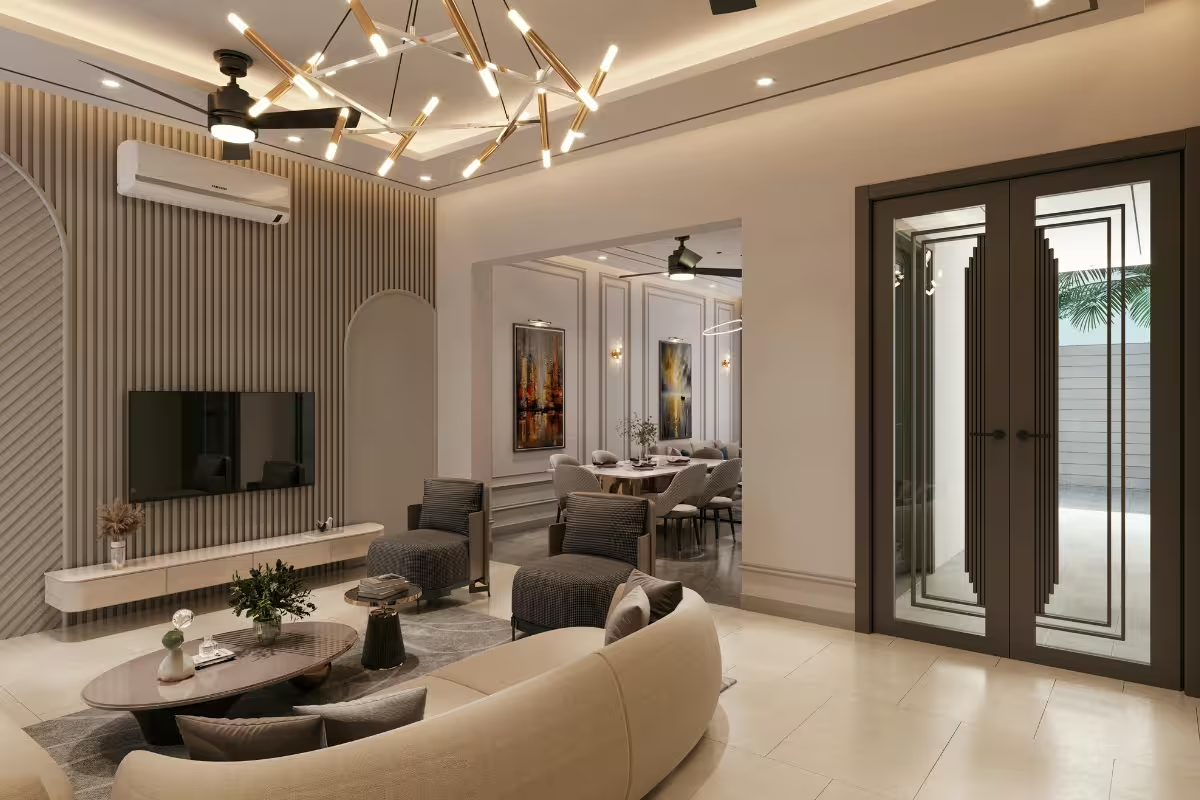
Stepping into a newly handed-over villa in Dubai Hills or a high-rise apartment in Dubai Marina is an exciting milestone, yet standard developer finishes rarely reflect the way you actually want to live. Transforming a shell-and-core unit or an outdated layout into a tailored home requires more than a good eye for colour—it demands technical precision, local regulatory knowledge, and reliable project management.
When evaluating home interior design companies in Dubai, property owners often face an overwhelming number of choices, ranging from boutique styling studios to full-scale turnkey contractors. Understanding how the local design-and-build ecosystem operates will help you protect your investment, avoid costly permit delays, and create a space that balances visual appeal with everyday comfort.
Understanding the Landscape of Home Interior Design Dubai
The residential market in the UAE is unique. Whether you are upgrading a vacation property on Palm Jumeirah to maximise rental yield or customising a family townhouse in Arabian Ranches, your interiors must respond to specific architectural and environmental conditions.
A successful approach to home interior design in Dubai goes beyond surface aesthetics. Experienced designers account for the region’s intense sunlight, high summer humidity, and occasional dust storms. For instance, floor-to-ceiling windows offer incredible skyline views, but without UV-filtering sheer draperies, motorised blinds, and low-emissivity glazing, direct sunlight will quickly fade hardwood floors and overwork your air conditioning system.
Furthermore, residential tastes in the emirate have matured. Homeowners are moving away from overly glossy, clinical spaces toward warm minimalism, tactile natural stones like travertine and marble, fluted wood panelling, and subtle biophilic elements that connect indoor living areas with landscaped gardens and terraces.
Design-Only Studios vs. Turnkey Fit-Out Contractors
Before signing a contract, you need to decide which operational model fits your timeline and risk tolerance. Firms offering interior design Dubai services generally fall into two categories:
1. Design-Only Consultancies
These studios focus exclusively on the creative and technical planning phase. They produce mood boards, spatial layouts, material specifications, and MEP (Mechanical, Electrical, and Plumbing) drawings. Once the design package is complete, you must tender the documents to separate fit-out contractors and manage the build—or pay an additional fee for the designer to supervise the site.
2. Turnkey Design and Fit-Out Companies
A turnkey firm manages both the creative vision and the physical construction under one roof. For most villa and apartment owners, this single-point-of-responsibility model reduces friction. When the architects, joinery craftsmen, and site engineers belong to the same team, there is no finger-pointing between the designer and the contractor if a custom kitchen island or concealed AC diffuser requires on-site adjustments. Brands like Elegant Fit-Out operate within this integrated space, helping clients move from initial spatial concepts to final handover without the stress of coordinating multiple third-party vendors.
The Step-by-Step Journey of a Dubai Renovation
Knowing what to expect at each stage of your renovation keeps budgets on track and prevents miscommunication.
Phase 1: The Initial Interior Design Consultation Dubai
Every successful project begins with a structured interior design consultation in Dubai. Rather than just discussing favourite colours, this discovery session should examine how your household functions. Do you need a closed chef’s kitchen (dirty kitchen) paired with an open-plan show kitchen for entertaining? Do you require acoustic insulation for a dedicated home office, or custom built-in storage to keep family living zones clutter-free? During this stage, a reliable firm will also assess your structural constraints, existing MEP loads, and realistic budget parameters.
Phase 2: Space Planning and 3D Visualisation Dubai
Once the floor plan is locked in, guesswork should be eliminated entirely. Professional 3d visualization dubai services allow you to walk through photorealistic renders of your rooms before a single tile is ordered. High-resolution 3D modelling lets you test how warm concealed LED strip lighting interacts with textured limewash walls at night, or how the veining on a book-matched porcelain slab looks behind your media unit. Making adjustments during the 3D stage costs nothing; changing your mind once walls are plastered on-site is expensive.
Phase 3: Navigating Master Developer and Authority Approvals
One of the biggest pitfalls for homeowners in the UAE is starting work without the proper No Objection Certificates (NOCs) and permits. Depending on your community and the scope of structural or MEP changes, your contractor must secure approvals from relevant bodies such as:
- Dubai Municipality (DM) or Trakhees (for specific free zones and developments)
- Dubai Civil Defence (DCD) for fire and life safety compliance
- Master Developers such as Emaar, Nakheel, Dubai Properties, or Meraas
- Dubai Development Authority (DDA) or Concordia (in JLT)
An established fit-out partner handles these submissions directly, ensuring that structural modifications, wet-area extensions, and electrical load upgrades comply with local building codes.
Key Focus Areas in Residential Renovations
When comparing proposals for home interior design in Dubai, pay close attention to how each company approaches the most technically demanding rooms in a residence:
- Bespoke Kitchens and Joinery: Standard modular cabinets rarely fit Dubai’s varied architectural layouts perfectly. Look for firms with strong custom joinery capabilities that use moisture-resistant substrates, high-grade European hardware (such as Blum or Hettich), and durable quartz or sintered stone countertops that resist staining from everyday cooking.
- Spa-Inspired Bathrooms: Upgrading a bathroom involves strict waterproofing protocols. Ensure your contractor includes multi-stage flood testing, concealed cisterns, recessed niches with integrated lighting, and proper ventilation to prevent moisture buildup.
- Smart Home and Lighting Integration: Modern luxury relies on layered lighting and quiet technology. Integrating automated curtain tracks, circadian dimming systems, and smart thermostats during the initial electrical first-fix ensures clean walls free of cluttered switch plates.
How Commercial Design Expertise Benefits Luxury Homes
While your primary goal may be residential, many top-tier fit-out firms in the UAE also specialise in commercial space design in Dubai—delivering boutique hotels, executive offices, and fine-dining venues. Partnering with a company that understands both residential and commercial sectors offers distinct advantages for homeowners and real estate investors.
Commercial projects demand strict adherence to handover deadlines, heavy-duty material durability, advanced acoustic engineering, and seamless MEP coordination. When a firm like Elegant Fit-Out applies the discipline of commercial project management and hospitality-grade detailing to a private villa or penthouse, homeowners benefit from superior build quality, better soundproofing between rooms, and systematic scheduling that prevents projects from dragging on for months.
Checklist: How to Vet Home Interior Design Companies in Dubai
Before paying a mobilisation deposit, run your shortlisted companies through these practical checks:
- Verify Trade Licenses and In-House Capabilities: Confirm that the company holds a valid mainland or appropriate authority license permitting actual contracting and fit-out works—not just design consultancy—if they are pitching a turnkey build.
- Demand an Itemised Bill of Quantities (BOQ): Never accept a lump-sum quote on a single page. A transparent BOQ breaks down demolition, civil works, waterproofing, joinery dimensions, paint brands, and unit rates so you know exactly where your money goes.
- Inspect Live Sites, Not Just Renders: Photorealistic 3D renders are easy to produce. Ask to visit an active construction site or a recently completed project in Dubai to inspect the neatness of their tile mitring, wardrobe carpentry, and site safety standards.
- Clarify the Defects Liability Period (DLP): Reputable fit-out companies stand behind their craftsmanship with a clear post-handover warranty period (typically 12 months for workmanship) to address any minor settling or hardware adjustments after you move in.
Frequently Asked Questions (FAQs)
How long does a full villa or apartment renovation take in Dubai? Timelines depend on the property size and permit requirements. A complete apartment fit-out typically takes 8 to 12 weeks of on-site work after design sign-off and developer NOC approvals, while a comprehensive villa renovation involving structural extensions or pool landscaping can take 4 to 6 months.
Do I need developer approval just to change my flooring and kitchen cabinets? Yes. Almost all gated communities and residential towers in Dubai require a formal NOC from the master developer or building management before contractors are allowed access, even for non-structural cosmetic upgrades.
Can I live in my Dubai home during a major interior fit-out? For minor single-room upgrades, it is sometimes possible. However, for full-home renovations involving demolition, floor hacking, and HVAC modifications, vacating the property is strongly recommended due to dust, noise, temporary water/power shutoffs, and community working-hour regulations.