
What Makes the New Treatment for Lipoma Different?
Lipomas are soft, fatty lumps that develop beneath the skin. They are generally harmless and grow slowly over time. While many people choose to leave them untreated, others look for ways to reduce their appearance or manage discomfort. As interest in less invasive options continues to grow, many individuals are searching for a new treatment for lipoma that offers convenience and comfort without the challenges often associated with traditional procedures.
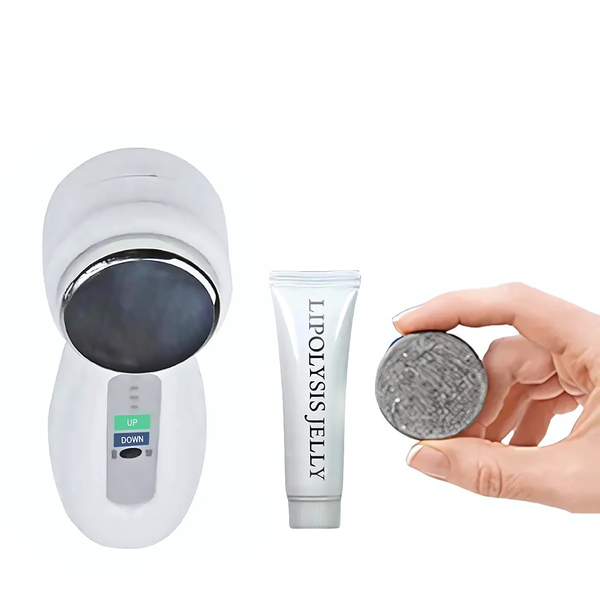
Understanding Lipomas
A lipoma is a collection of fat cells that forms a lump beneath the skin. These growths can appear on various parts of the body, including the arms, shoulders, back, neck, and thighs. In most cases, lipomas are painless and non-cancerous.
Although surgery has long been considered a common option for removing larger lipomas, not everyone is comfortable with undergoing a procedure that may involve incisions, recovery time, and potential scarring. This has increased interest in finding a new treatment for lipoma that may better fit modern lifestyles.
Why People Are Looking Beyond Traditional Methods
Traditional treatment methods often focus on physically removing the lipoma. While effective in certain situations, surgery may not be the preferred choice for everyone. Some people have multiple lipomas, while others simply wish to avoid invasive procedures.
Common reasons people explore alternatives include:
- Desire to avoid surgical scars
- Concerns about recovery time
- Managing multiple lipomas
- Looking for convenient at-home options
- Preference for non-invasive approaches
These factors have encouraged the development and popularity of a new treatment for lipoma that focuses on comfort and ease of use.
What Makes the New Treatment for Lipoma Different?
One of the biggest differences is the emphasis on non-invasive care. Instead of relying solely on surgical removal, newer approaches are designed to provide alternative ways of managing lipomas.
Many modern solutions focus on supporting the affected area through technologies and techniques that can be used more conveniently. The goal is often to provide a practical option for individuals who want to explore alternatives before considering surgery.
Some characteristics that make a new treatment for lipoma stand out include:
1. Non-Invasive Approach
Unlike surgical procedures, many newer options do not require cuts or stitches. This appeals to people who want to avoid visible scars and lengthy healing periods.
2. Convenience
Modern treatment methods often prioritize ease of use. Some solutions can be incorporated into daily routines without the need for frequent clinic visits.
3. Focus on Comfort
Comfort is an important factor for many individuals. Newer treatment options are often designed with user-friendly features that make the process more manageable.
4. Greater Accessibility
Traditional procedures may involve appointments, consultations, and recovery planning. A new treatment for lipoma often aims to provide a more accessible option for people seeking alternatives.
The Growing Interest in Non-Surgical Solutions
The healthcare and wellness industries have seen a growing demand for non-surgical approaches across many conditions. Lipoma management is no exception.
People today often research various treatment possibilities before making decisions. They want to understand the benefits, limitations, and practical considerations of each option.
As a result, interest in a new treatment for lipoma continues to increase. Individuals appreciate having more choices available and the ability to discuss those options with qualified healthcare professionals.
Important Factors to Consider
Before trying any treatment approach, it is important to understand that every person’s situation is unique. Lipomas can vary in size, location, and symptoms.
When evaluating a new treatment for lipoma, consider the following:
- The size and location of the lipoma
- Personal treatment goals
- Comfort level with different approaches
- Professional medical advice
- Overall health considerations
A healthcare provider can help determine whether a particular treatment option is appropriate based on individual circumstances.
Lifestyle Habits That Support Overall Wellness
While no lifestyle change can guarantee the removal of a lipoma, maintaining overall health can be beneficial.
Helpful habits may include:
- Eating a balanced diet rich in whole foods
- Staying physically active
- Managing stress effectively
- Getting adequate sleep
- Staying hydrated
These habits support general well-being and can be part of a healthy daily routine while exploring a new treatment for lipoma.
Questions to Ask Before Choosing a Treatment
If you are researching treatment options, it may help to ask:
- How does this treatment work?
- Is it invasive or non-invasive?
- What are the expected outcomes?
- How much time is required?
- Are there any potential risks or limitations?
Gathering reliable information can help you make a more informed decision about a new treatment for lipoma.
Final Thoughts
The search for a new treatment for lipoma reflects a growing desire for options that are convenient, comfortable, and less invasive. While traditional surgery remains an important treatment choice in certain cases, many individuals are interested in exploring modern alternatives that fit their personal preferences and lifestyle. Understanding the differences between available options is an important first step. By learning about emerging approaches, consulting healthcare professionals, and carefully evaluating your needs, you can make informed decisions about lipoma management. As awareness continues to grow, the future of lipoma care is likely to offer even more choices for those seeking effective and practical solutions.