
: Wood Types and Interior Finishes
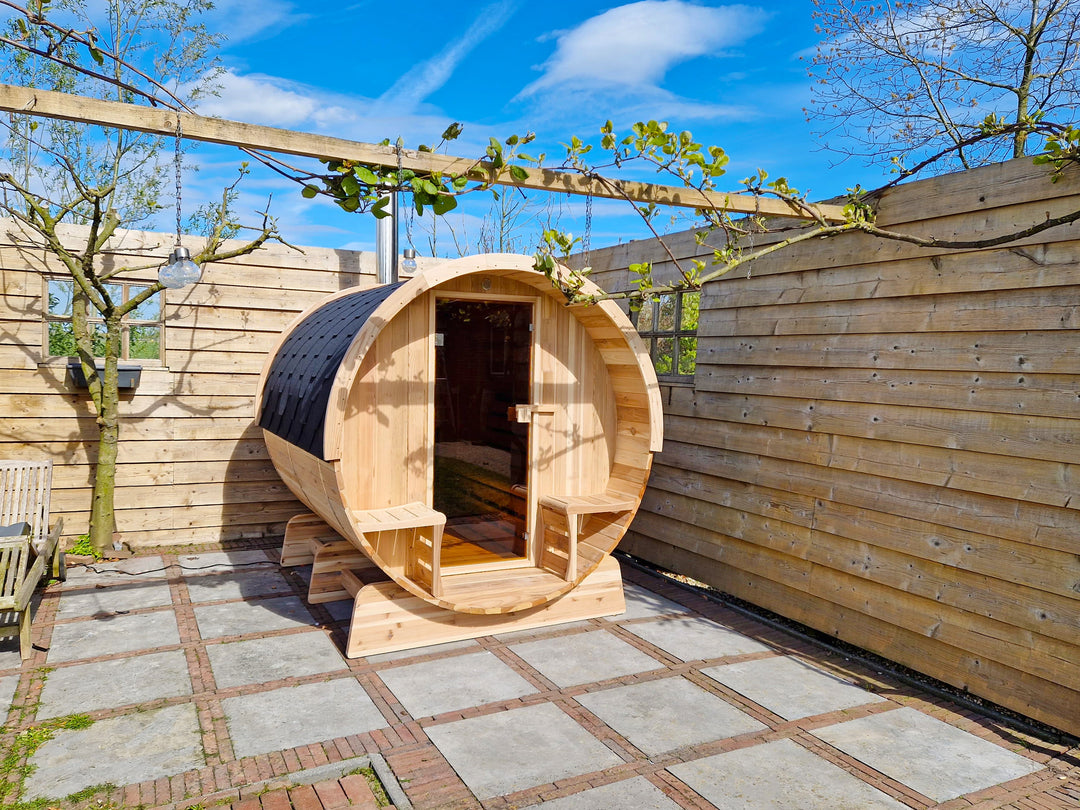
Wood is the material you touch every time you sit down, and it is the one part of a sauna cabin that you can choose with real discrimination. The species, the cut, the thickness and the finish all change how a cabin looks, how it feels against the skin and how much attention it needs over a decade of use. It is worth thinking about properly.
There is no single best timber for every cabin, only the best match for a particular room and a particular household. Cedar suits a bathroom where warmth to the touch matters, aspen suits a bedroom where gentleness does, and a well-finished softwood performs perfectly well when the budget needs to stretch further. Each has a case.
This guide runs through the timber and finish options for a domestic sauna, from species and backrests to flooring, lighting and the sealing that protects them. Health Mate UK has been manufacturing infrared saunas since 1979 and has fitted cabins in bathrooms, bedrooms, garden rooms and converted lofts across Britain.
Choosing Wood for a Sauna Infrared UK Cabin
Cedar has been the traditional choice for sauna benches for a long time, and its reputation rests on two practical qualities: it stays comfortably warm to the touch at heat levels where other woods feel sharp, and its natural oils resist damp without needing to be sealed. For a cabin that is used often and gets wet regularly, those two properties are worth paying for.
Aspen and alder are lighter in colour and softer in feel, and they are often chosen for cabins in bedrooms where a Scandinavian look suits the room. The surface is gentler on the skin, the boards are lighter to handle and they accept a tinted finish cleanly. The compromise is that they need sealing more attentively than cedar to stay in good order.
Spruce, pine and other softwoods appear in many cabins and work perfectly well when the boards are treated and the interior is kept dry. A properly sealed softwood bench will last years and costs considerably less, which matters when the cabin is competing with other priorities. The Sauna Infrared UK option that makes sense is often the one built from honest materials and finished carefully.
Backrests matter more than buyers expect. A slatted panel set a few centimetres off the bench wall allows air to circulate behind it, keeps the wall drier and gives the back a comfortable angle, and it is the single detail that most improves the feel of a bench. A bench without one sits against a warm wall and becomes uncomfortable quickly.
Finishes, Flooring and the Details That Last
Sealing and Surface Treatment
The interior surface should be sealed or oiled with a product intended for high heat and high humidity. A good treatment keeps sweat from staining the timber and makes the bench wipeable, and it also slows the greying that sunlight and heat cause. Applying it in two thin coats with the grain is far better than one thick coat that never quite dries.
Outside the cabin, the finishes are different. Interior linings need protection from steam, while any external surfaces need protection from rain and ultraviolet light, and the two should never be confused when you are choosing a product. Ask for the specific coating your cabin requires rather than assuming a general wood oil will do.
Flooring and Small Details
The floor inside a sauna is usually slatted so that it can be lifted, cleaned and dried, and a tiled or sealed floor beneath it keeps water away from the base. Outside, the detailing that most improves the look is simple: a tidy corner trim, a clean threshold and consistent timber from base to roof line.
Living With an Infrared Saunas UK Interior
The interior of a well-finished cabin changes as it is used. Cedar darkens slightly and takes on a warm glow, aspen takes a soft sheen, and both look better at six months than they did on the day they were installed. That slow improvement is part of what makes timber worth choosing with care.
Maintenance is straightforward, and it is mostly about keeping the cabin dry and the surface clean. Wipe the bench after a session, allow the interior to air, and check the finish once a year. A cabin with a properly sealed interior needs very little from its owner, and the finish will stay in good condition for years without any specialist treatment.
The finish also shapes the acoustics and the light. A pale, sealed interior bounces light around the cabin and makes the space feel larger, while darker timber absorbs it and feels more intimate. Owners of Infrared Saunas UK models often notice the lighting before they notice the timber, which is why it is worth planning both at once.
Matching the Interior to the Room
Colour, Light and Surroundings
Take a sample of the timber home before the cabin is built. A board that looks pale in a showroom often looks darker in a small room with one window, and matching it against the floor and the walls saves a great deal of regret later. Colour decisions are much harder to change once the panels are up.
Lighting should be planned alongside the timber. Warm light brings out the honey tones in cedar and the soft cream of aspen, while cool fittings make pale wood look flat and clinical. A dimmable fitting set low in the cabin is usually enough, and it keeps the atmosphere that people pay for.
Practical Upgrades Worth Considering
A slatted backrest, a towel hook and a shelf that will hold a bottle of water cost very little and change how the cabin feels every time it is used. A good thermometer and a simple timer are equally modest additions. Owners who spend on these small things report far greater satisfaction than those who spend on size alone.
Cost, Care and Sensible Expectations
What Finishes Add to the Price
Upgrading the timber and the internal finish usually adds a modest proportion to the total, and the difference is visible every time the door opens. The same reasoning applies to the treatment of the exterior surfaces on an outdoor cabin, where a good coating can protect the cladding for several seasons at a small cost.
Running costs are unaffected by the choice of timber, since the heat is generated by the emitters rather than by the walls. A small, well-insulated cabin still costs very little to run, and the purchase and the finish remain the significant costs for most households.
Care and Health
Keep the interior dry, wipe it down and check the finish annually, and the timber will stay in excellent condition indefinitely. Speak to a doctor before regular use if you are pregnant, taking medication or managing a health condition, and keep sessions moderate and regular rather than long and occasional.
Where to Buy Infrared Sauna UK Cabin Finishes
Ask to handle the timber rather than only to look at it. Running a hand along a bench panel, checking the thickness at the edge and asking about the seal used tells you more in two minutes than a photograph of a finished cabin can. Where possible, see a cabin that has been in use for a while rather than one fresh out of the workshop.
Ask what the interior finish is, what it needs and whether it can be maintained by the owner. When you Buy Infrared Sauna UK, the treatment on the timber is what protects your investment, and a supplier who explains the maintenance routine has clearly thought about the years after the sale.
Frequently Asked Questions
Which wood is best for a sauna interior?
Cedar is warm to the touch and resists damp, aspen is gentle on the skin and light in colour, and sealed softwood performs well at a lower price. The right answer depends on the room, the budget and how often the cabin will be used.
Should sauna benches be sealed?
The interior should be protected with a coating or oil intended for high heat and humidity, which makes it wipeable and resistant to sweat staining. Exterior surfaces need a different treatment designed for rain and ultraviolet light.
Does the timber darken over time?
Yes, gently. Cedar deepens in colour and other pale timbers take a soft sheen with regular use, and both changes generally improve the look of a cabin. Consistent care and good airflow keep the timber in condition rather than merely aged.
What is a backrest for?
A slatted panel behind the bench improves comfort, allows air to circulate behind the seat and keeps the cabin wall drier. It is one of the cheapest upgrades available and one of the most noticeable from the very first session onwards.
What flooring should a sauna have?
A slatted, lift-out floor over a washable surface is the usual arrangement, because it can be lifted for cleaning and allows air to move beneath the cabin. Tiled or sealed flooring below keeps water away from the structure and the floor of the room.
How much maintenance does the timber need?
Very little. Wipe the bench after each session, let the interior air and check the finish about once a year, and the timber will stay in good condition indefinitely. Cabinets used regularly stay in better shape than those left unused for long periods.
Conclusion
Timber is the part of a sauna that owners touch every session, and choosing it well is worth more than any additional accessory. Species, thickness, backrest and sealing determine how a cabin feels against the skin and how it looks after five years of regular use, and all four are visible before a single penny is spent.
The common error is to treat the finish as decoration and the structure as the real decision. A beautifully lined cabin in a poorly sealed shell will disappoint, while a simply finished cabin built properly will exceed expectations, so the sensible order is structure, sealing and then surface.
Health Mate UK has been manufacturing infrared saunas since 1979 and has fitted cabins where the timber had to work hard in a bathroom, a bedroom or a garden room, so the guidance here reflects a wide range of conditions rather than a showroom corner. Dry, sealed timber in a well-insulated shell is what produces the same comfortable session every time.
Handle the boards, ask what seals them, and choose the timber you will still enjoy touching in five years from now.
Get that right and the interior becomes the reason people look forward to the session, and the cabin keeps that feeling year after year.